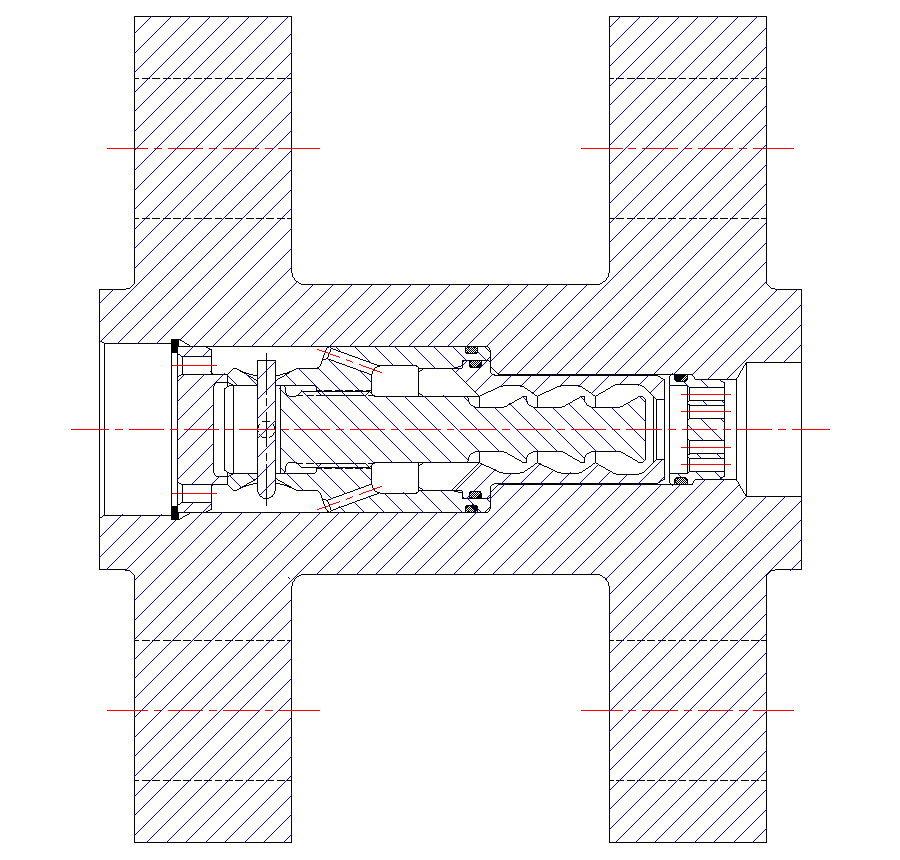
Multiple Use Cases
HBE Engineering designs and manufactures valves in sizes ranging from ASME Class 150 to 2500 and rated for 1 inch to 30 inch inlet/outlet sizes. These valves are capable of handling main flow demands up to 40,000 gpm.
Quick Jump:

DLPM Series Automatic Recirculation Valve
Developed for centrifugal pump protection, this unit provides the following features and benefits:
Operational Dependability
The valve has only one moving part. No pilot valves or linkages are required for operation. The combination check valve/flow sensing element is guided at the top and bottom for smooth operation. The multi-functional valve provides economical and reliable protection against low flow and reverse flow conditions. The valve combines the functions of:
- Main Line Check Valve
- Flow Sensing Element
- Bypass Flow Control
- Bypass Pressure Reduction
The DLPM eliminates at least seven separate components used in a conventional system.

HPM Series Automatic Recirculation Valve
Developed for high pressure centrifugal pump protection. Popular applications include boiler feed water, petroleum, and steel mill hot strip descale water.
The HPM provides economical and reliable protection for low and reverse flow. By combining the functions of main line check valve, flow sensing, bypass flow control, bypass pressure reduction, pulsation dampener, and bypass line check valve, the valve eliminates at least seven components necessary with a conventional system. The valve operates without air or electric power and is easily installed with three connections.
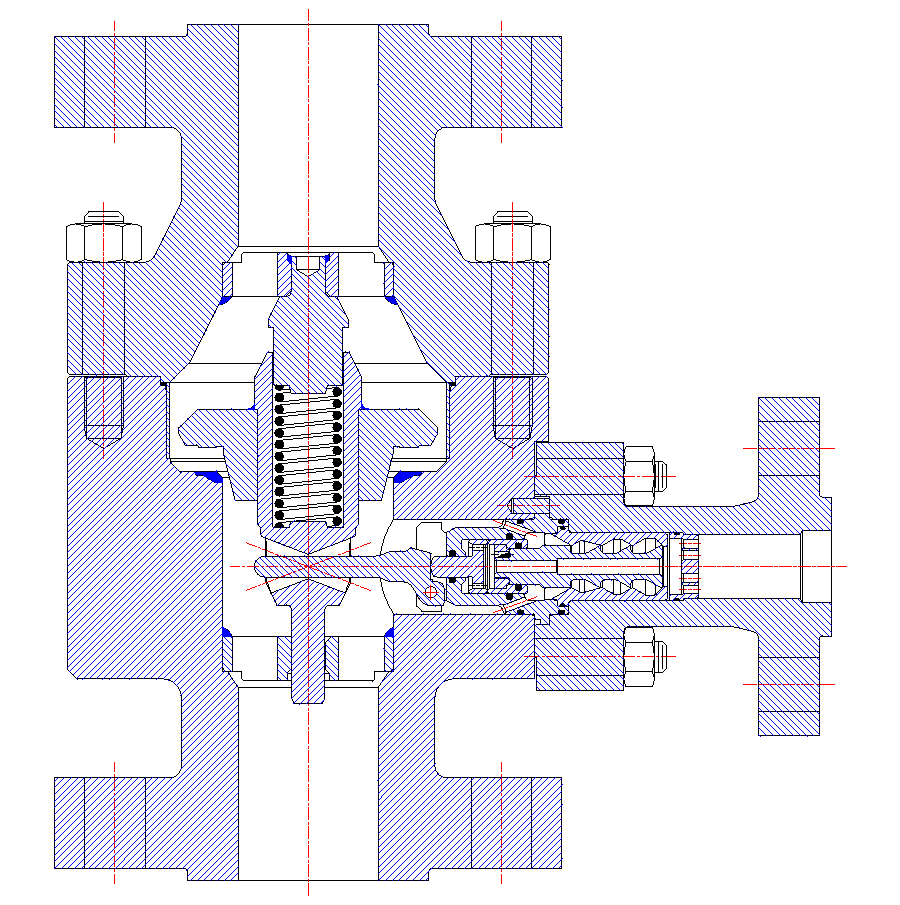
Anti-Flash Valve
Provided specifically to eliminate damage to the automatic recirculation valve and bypass piping due to flashing or cavitation.
The HBE Anti-Flash valve functions as a variable orifice to assure the pressure of the downstream liquid does not fall below the vapor pressure of the fluid.
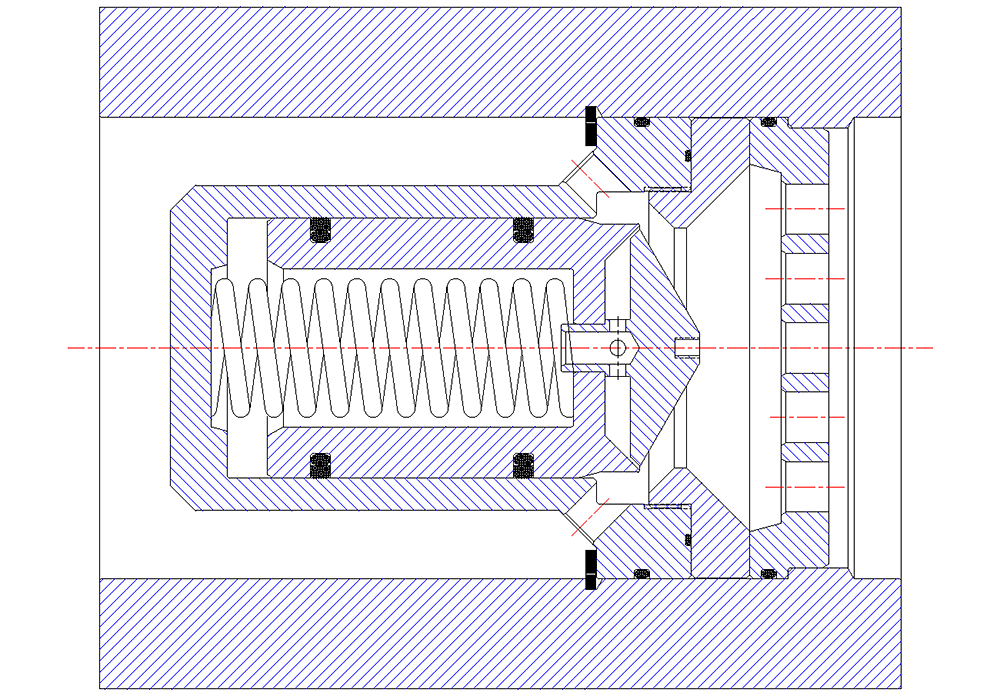
MSO (Multiple Stage Orifice)
Provides pressure reduction for applications which require more than a simple plate orifice.
The HBE MSO works by directing the fluid into a vortex flow and breaks down the pressure across several stages. The fluid passes through a multiple hole flow straightener upon exiting the orifice, which directs the fluid in a laminar direction downstream of the orifice. During pressure reduction the fluid is always above its vapor pressure, preventing destructive cavitation and flashing forces.